

Mesothelioma Asbestosis
People who have been exposed to asbestos could develop mesothelioma. It may begin in the tissues surrounding the lung (pleural mesothelioma), or in the tissues that cover abdominal organs (peritoneal msothelioma).
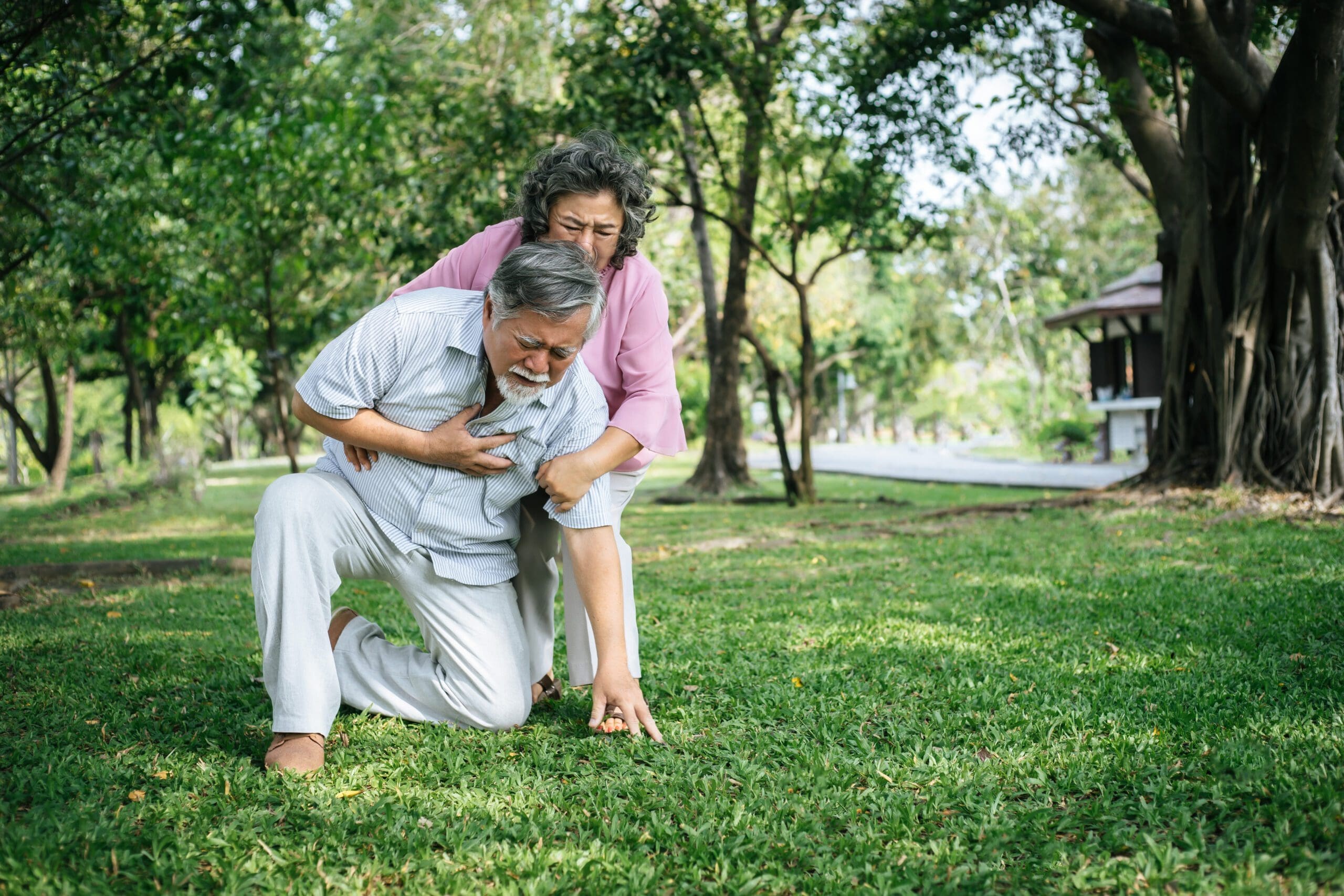
It can be difficult to diagnose mesothelioma because its symptoms are similar. To identify the condition, doctors utilize tests such as CT scans and FDG-PET.
Symptoms
Mesothelioma starts in the lining of lungs (pleura) or the lining of the abdomen (peritoneum). It can cause pain when it expands, pressing on organs or nerves. Symptoms may include chest pain, breathing problems or fluid build-up. It may also trigger weight gain or a fever. It can be difficult for a doctor to recognize this condition since the symptoms are similar to those of other illnesses.
If the doctor suspects mesothelioma they will order imaging tests or a biopsy. A biopsy is a test which involves removing a tiny amount of tissue or liquid to check for cancer cells. A biopsy is usually performed by surgery, but doctors may employ a needle instead of surgical tools. If the biopsy shows mesothelioma, your doctor will talk with you about treatment options.
Some types of mesothelioma can be treated more easily than other types. Epithelioid cancer patients have a better chance of success because the cancer cells are less aggressive and easy for surgeons to remove. Other types of mesothelioma such as sarcomatoid or mixed, display more aggressive behavior and spread rapidly. These types of mesothelioma are associated with lower survival rates.
Most people who suffer from pleural mesothelioma have breathing problems, such as chest pain and breathlessness. They might also develop a chest mass or a cough that is pus-filled. Peritoneal mesothelioma patients may experience abdominal pain or swelling of the abdomen's lining.
The NYU Langone's Thoracic Oncology Research Program are exploring ways to detect mesothelioma earlier by looking at biomarkers. Biomarkers are substances in the blood that indicate whether or not you have mesothelioma.
If you are diagnosed with mesothelioma the mesothelioma doctor the doctor refers you to will help relieve your symptoms and improve your quality of life. They may recommend surgery to remove the lungs of fluid. This procedure is called VATS (video-assisted thoracoscopic surgery). They might also suggest an indwelling drain that removes the fluid twice every week, and keeps it from building up again. They might also suggest palliative care to treat symptoms like nausea and fatigue.
Diagnosis
Doctors can determine mesothelioma's diagnosis based on the type by using tests which detect cancerous cells within tissue or fluid. These tests include:
A doctor will begin with a physical exam and inquire about your symptoms and past medical history. They can then request imaging scans, for example X-rays or a computed (CT) scan, to see what areas are affected by mesothelioma. These scans can show the presence of thickening or calcium deposits on the lining of your lung and chest wall, as well as whether you have fluid in the space between the lung and chest wall, referred to as an lymphatic effusion.
PET scans are another method to detect mesothelioma. They employ a radioactive substance to find cancerous cells and computers. The test can also determine whether or not the cancer has spread.
Mesothelioma has many symptoms similar as other illnesses, and so it can be difficult for a doctor to diagnose it. This could result in a misdiagnosis and stop you from receiving the proper treatment for your condition.
Your doctor will conduct further tests following an initial diagnosis to determine the stage of mesothelioma. This includes examining the type of mesothelioma you have as different types may have differing outcomes.
Depending on the type of mesothelioma you could be referred to various specialists. These include:
Treatment
Doctors will look over a patient's medical history to determine if exposure to asbestos has occurred. They will then conduct physical examinations and request lab tests to look for signs of the cancer.
Patients suffering from mesothelioma might feel chest discomfort, breathing difficulties and an unaccounted for weight loss. Depending on the type of mesothelioma, the symptoms can vary. mesothelioma claim amounts with pleural cancer might experience chest pain, coughing or wheezing. Peritoneal mesothelioma patients can have bloating, nausea and stomach pain.
A doctor will order a biopsy if they determine that mesothelioma has been identified. A small piece of tissue is taken away to be examined with magnifying glasses. This is the only means of confirming a mesothelioma diagnosis. Doctors can conduct an invasive biopsy using thoracentesis by using a needle to draw fluid from around the lungs; via video-assisted surgery called thoracoscopic (VAT) or open thoracotomy.
The results of a biopsy enable doctors to identify the kind of cell. They will then compare the biopsy with other tissues in the body. This will allow them to determine which treatment options are most effective.
Treatments for mesothelioma can include surgery, chemo and radiation. They can improve the quality of life and increase the chances of survival. They can be used separately or in conjunction.
If mesothelioma in a patient is advanced and they are in the later stages, they may need to undergo additional procedures. The doctor can perform a pleural drainage procedure to remove fluid around the lung. Also, they could do a pleurodesis procedure to connect the lung's exterior to the inside.
In some cases doctors may also suggest the pericardiectomy. This procedure is used to eliminate the mesothelioma which surrounds the lung. Immunotherapy is a different treatment that can help patients with mesothelioma. It uses the body's immune system to fight cancer.
Along with the usual treatment, patients should also concentrate on maintaining a healthy lifestyle and ensuring they get enough sleep. They should also seek support from family and friends. There are many resources that can aid those in financial problems. These include mesothelioma patient lodging programs information centers for cancer treatment and mesothelioma-related support groups.
Prognosis
The prognosis of mesothelioma patients depends on a number of aspects, including the type of asbestos exposure and the stage of cancer. Asbestos-related patients are more likely of having better mesothelioma outcomes should they seek treatment with a mesothelioma expert who has experience treating the disease.
Due to the rarity of mesothelioma, a lot of people diagnosed with it will need undergo several rounds of testing before a doctor can make a diagnosis. Doctors will first conduct a physical examination and examine the patient's medical records to determine if mesothelioma is producing symptoms. They will then request an array of imaging scans such as chest Xrays or computed tomography (CT) scans.
These tests can help identify tumors however only a tissue sample can confirm a mesothelioma diagnosis. The most common mesothelioma-related biopsy procedures are pleural fluid cytology obtained through thoracentesis, needle biopsy of pleural tissue under CT guidance and video-assisted Thoracoscopy surgery that allows direct visualization and biopsy of pleural nodules.
The prognosis of mesothelioma may also be affected by patient's age as well as the extent of the cancer at the time that the diagnosis was made. Asbestos victims who are younger and have a more limited cancer stage generally have better odds of survival than patients who are older, since their cancer is simpler to treat before it spreads too far.
Another aspect is the type of mesothelioma cells involved in a patient's condition. The most common type of mesothelioma cell is epithelioid. This type responds well to treatment. Sarcomatoid cancers are more difficult to treat and have a poorer prognosis than epithelioid tumors.
Since mesothelioma has a long latency and can be a long-lasting disease, it is essential that patients speak with their physicians when they begin to notice any signs of unusual symptoms. In the ideal scenario, they will be able to provide thorough details about their exposure to asbestos and mesothelioma-related symptoms to ensure that mesothelioma is diagnosed as early as possible. This will improve the mesothelioma diagnosis, and help doctors determine the best treatment options.